
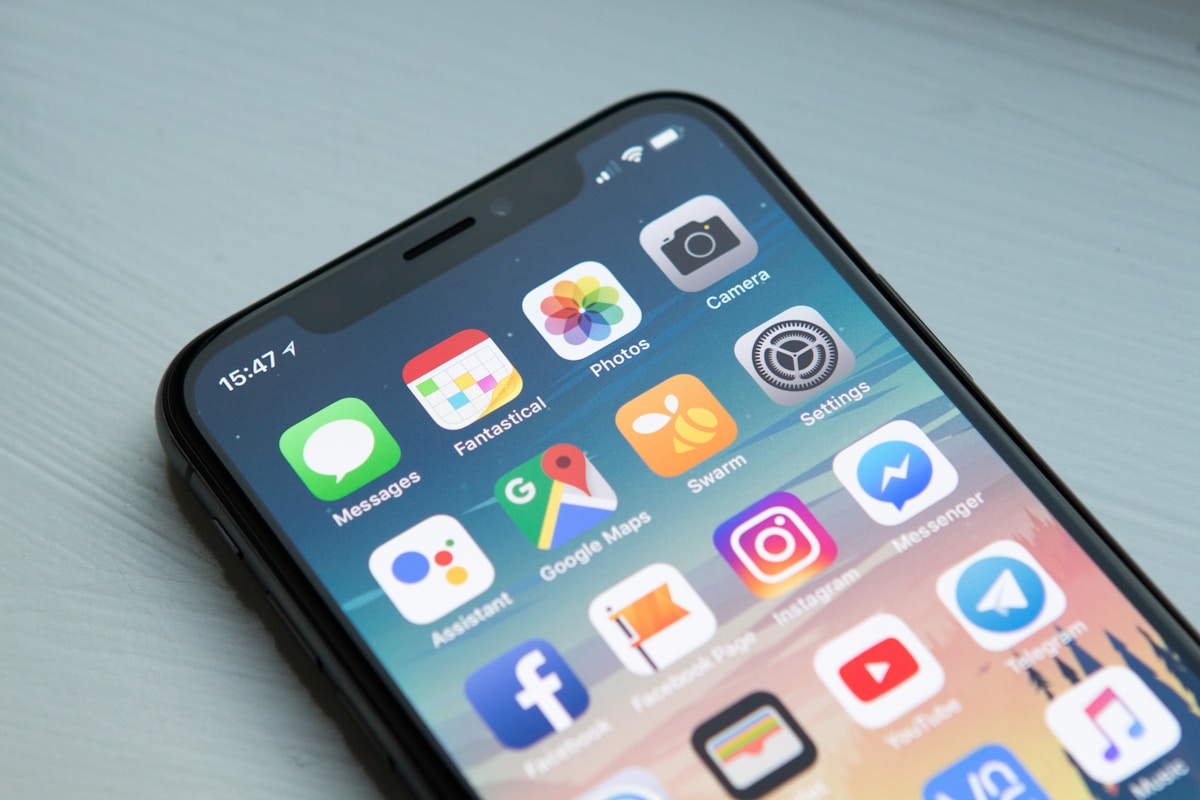
Mobile apps are no longer just tools. They are the primary interface through which billions of people work, shop, communicate, and entertain themselves. In 2026, the industry is being reshaped by three powerful forces: artificial intelligence embedded directly into devices, a growing user demand for privacy, and explosive regional growth in markets like Asia-Pacific. Understanding these shifts is essential for developers, businesses, and anyone building digital products that need to stay relevant.
The Scale of the Mobile App Market in 2026
The global mobile app market is on track to reach $2.2 trillion by 2030, and the numbers backing that projection are already staggering. In 2026, global app downloads are forecasted to hit 292 billion, while consumer spending within apps reached $41 billion in Q2 2025 alone. The average mobile user now spends 3.5 hours per day inside applications, a figure that underscores just how central apps have become to daily life. This is no longer a growth market in the traditional sense. It is foundational infrastructure. For developers and businesses, the question is no longer whether to invest in mobile, but how to build experiences that stand out in an increasingly saturated space.
On-Device AI Is Redefining User Engagement
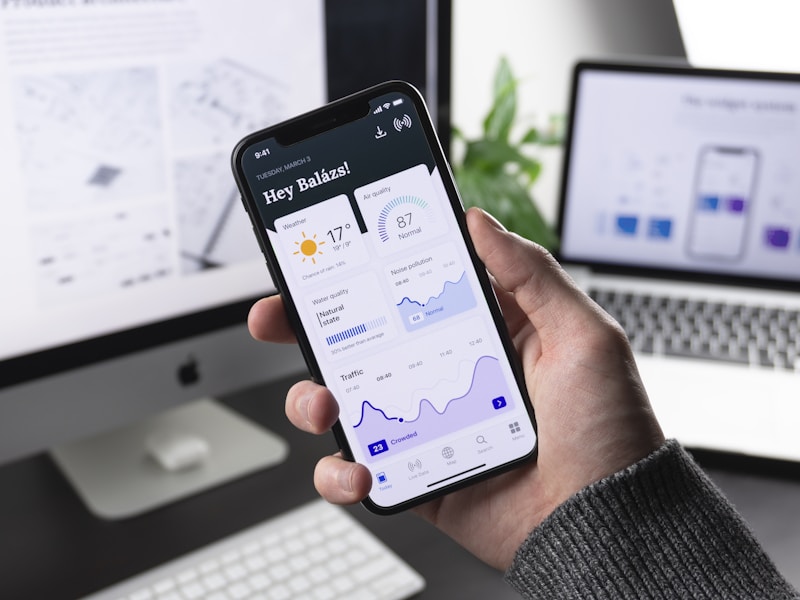
Artificial intelligence is no longer a backend feature hidden from users. In 2026, AI is being processed directly on devices through technologies like Apple Intelligence and Gemini Nano, and the impact on user experience is significant. By handling data locally, apps can deliver instant personalization, maintain core functionality offline, and reduce the privacy risks associated with sending sensitive data to remote servers. Tools like Notion and Grammarly are leading examples of this embedded approach, weaving intelligence into the user workflow rather than treating it as a separate feature. Paired with the global rollout of 5G, which already surpassed 1.5 billion users by end of 2023, apps can now support real-time and data-intensive experiences that were impractical just a few years ago. Predictive analytics layers on top of this, allowing apps to anticipate user needs before they are explicitly expressed. The result is a new generation of applications that feel less like software and more like a responsive, adaptive assistant.
Privacy Is Now a Competitive Advantage
User attitudes toward data privacy have shifted dramatically. In 2026, privacy is not a regulatory hurdle. It is a product feature that directly influences whether users download, trust, and keep an app. The rise of on-device AI processing is a major enabler here. When data stays on the device, users get personalized experiences without handing over sensitive information to centralized servers. This matters especially in regions with strict data regulations, where compliance requirements have pushed developers toward privacy-by-design architecture from the ground up. Transparency and user control are now expected at every stage of the app experience. Apps that make it easy to understand and manage data permissions are seeing measurable improvements in acquisition and retention. Those that treat privacy as an afterthought are losing ground quickly. The clearest signal of this shift is that privacy is now consistently cited as a primary factor in app selection, placing it alongside performance and design as a core pillar of the user experience.

Asia-Pacific and the Next Wave of Global App Growth
While global download volumes tell one story, regional data tells a richer one. Asia-Pacific continues to lead in both engagement rates and adoption of emerging technologies, including on-device AI and 5G-native app features. This region is also driving innovation in monetization, where in-app purchases and subscriptions are increasingly paired with AI-driven personalized offers that increase perceived value. The $41 billion in global consumer app spending during Q2 2025 reflects a user base that is willing to pay for quality when apps deliver consistent, reliable value. For developers, the lesson is that a single global strategy is rarely enough. The most successful applications in 2026 are those built with regional nuance in mind, adapting their features, pricing, and engagement models to the specific expectations of their target markets while maintaining the universal standards of speed and reliability that all users demand.
Key Takeaways
The mobile app market in 2026 is defined by personalization, privacy, and performance. On-device AI is making apps smarter without sacrificing user data. Privacy has shifted from a compliance checkbox to a genuine competitive advantage. And with 292 billion global downloads projected this year, the opportunity is massive for developers who can balance speed, relevance, and regional adaptability. The apps that will win are those that treat users as individuals, protect their data, and evolve alongside their behavior.
Sources & References
Found this article helpful? Share it with your network!